


















































































Wilo-Stratos MAXO vs. Grundfos Magna3: Key Differences for HVAC and Hydronic Applications
When comparing high-efficiency circulator pumps, the Wilo-Stratos MAXO and Grundfos Magna3 are two options for applications requiring intelligent pump control and efficient operation. Both offer adaptive control and communication capabilities, but their approaches to system adaptation, setup, connectivity, and operation differ.
If you’re researching Wilo-Stratos MAXO vs. Grundfos Magna 3, this comparison highlights key differences to consider when selecting HVAC pumps, hydronic pumps, heating pumps, cooling pumps, and boiler pumps.
Wilo-Stratos MAXO vs. Magna3 Comparison
| Feature | Wilo-Stratos MAXO | Grundfos Magna3 |
|---|---|---|
| Adaptive control | Dynamic Adapt plus | Auto Adapt |
| System adaptation | Continuously adjusts without a setpoint | Learns system conditions |
| Heating applications | Yes | Yes |
| Cooling applications | Yes | Auto Adapt developed specifically for heating |
| Heating/cooling switchover | Automatic | — |
| Mobile connectivity | Bluetooth connection | Grundfos GO with additional dongle |
| Application-guided setup | Setup Guide | — |
| Multi-pump communication | Wilo Net | Wireless communication |
| Intelligent control functions | Dynamic Adapt plus, Multi-Flow Adaptation, No Flow Stop | Auto Adapt, Flow Limit |
| User interface | Green-knob operation and large display | TFT display and pushbuttons |
1. Continuous Adaptation to Changing System Conditions
One of the key differences between the Wilo-Stratos MAXO and Magna3 is their approach to adaptive control.
The Grundfos Magna3 uses Auto Adapt, which learns system conditions. According to the supplied product information, Auto Adapt was developed specifically for heating systems.
The Wilo-Stratos MAXO uses Dynamic Adapt Plus, which continuously adjusts pump operation without requiring a setpoint. The Stratos MAXO can also be used in cooling applications and provides automatic heating/cooling switchover. For HVAC and hydronic systems where operating conditions can change, this continuous adaptation is an important consideration when comparing circulator pumps.
2. Bluetooth Connectivity Without an Additional Dongle
Connectivity is another difference to consider when comparing Wilo-Stratos MAXO vs. Grundfos Magna3.
The Wilo-Stratos MAXO provides mobile-device communication through Bluetooth without requiring an additional dongle. The supplied Magna3 comparison material identifies an additional dongle as necessary for Grundfos GO communication. For contractors and technicians working with HVAC pumps, heating pumps, and cooling pumps, convenient access to pump information and settings can be an important part of installation and commissioning.
3. Application-Guided Pump Setup
The Wilo-Stratos MAXO includes an application-guided Setup Guide designed to help users select an appropriate control mode based on the application.
The pump also features Wilo's green button technology and a large display designed to provide straightforward access to pump settings and operating information. An intuitive setup process can be particularly relevant when specifying or commissioning hydronic pumps in commercial building systems.
4. Intelligent Control for Heating and Cooling
The Wilo-Stratos MAXO includes several intelligent control functions, including Dynamic Adapt plus, Multi-Flow Adaptation, and No Flow Stop. It also provides automatic heating/cooling switchover.
These features support applications where pump operation needs to respond to changing system requirements. For engineers and contractors evaluating boiler pumps, HVAC pumps, heating pumps, and cooling pumps, control functionality can be an important part of the pump selection process.
5. Pump Communication and System Integration
Both pump families provide communication capabilities that can support integration into larger building systems.
The Wilo-Stratos MAXO supports pump networking through Wilo Net, allowing pumps to communicate within a system. The MAGNA3 also offers communication capabilities and options for multi-pump applications.
For larger HVAC and hydronic installations, communication and control capabilities can be important considerations when integrating circulator pumps into the overall system.
Wilo-Stratos MAXO vs. Grundfos Magna3: Which Pump Is Right for You?
Both the Wilo-Stratos MAXO and Grundfos Magna3 offer high-efficiency operation and intelligent control features.
The Magna3 includes Auto Adapt, integrated sensing, mobile connectivity, and communication options.
The Wilo-Stratos MAXO differentiates itself with continuous Dynamic Adapt plus adjustment, application-guided setup, Bluetooth connectivity, automatic heating/cooling switchover, Multi-Flow Adaptation, and No Flow Stop.
When comparing Wilo-Stratos MAXO vs. Grundfos Magna3, consider the control strategy, connectivity, setup process, communication requirements, and application requirements of your system.
Looking for an Alternative to Grundfos Magna3?
The Wilo-Stratos MAXO provides an alternative to consider for HVAC, heating, cooling, and hydronic applications requiring high-efficiency pump control and intelligent system adaptation.
Explore the Wilo-Stratos MAXO to learn more about its control capabilities, connectivity, and application options.
Frequently Asked Questions
What is the difference between Wilo-Stratos MAXO and Magna3?
The key differences include adaptive control, connectivity, setup, communication, and intelligent control functions. Stratos MAXO uses Dynamic Adapt Plus for continuous adjustment, while Magna3 uses Auto Adapt.
Does the Wilo-Stratos MAXO have Bluetooth?
Yes. Stratos MAXO provides mobile-device connectivity through Bluetooth without requiring an additional dongle.
Can the Wilo-Stratos MAXO be used for cooling?
Yes. The Wilo-Stratos MAXO can be used in cooling applications and provides automatic heating/cooling switchover.
What control system does Magna3 use?
The Grundfos MAGNA3 uses AUTOADAPT, an adaptive control mode designed to automatically adjust pump performance based on changing system conditions.
Is the Wilo-Stratos MAXO a boiler pump?
The Wilo-Stratos MAXO can be considered for heating-system applications, but the specific pump model should be selected based on the system requirements and application. View Wilo selector tool.
What applications are circulator pumps used for?
Circulator pumps can be used in heating, cooling, HVAC, and hydronic systems. When selecting a circulator pump, consider the required flow, head, system conditions, control requirements, and application.
Featured Products
-
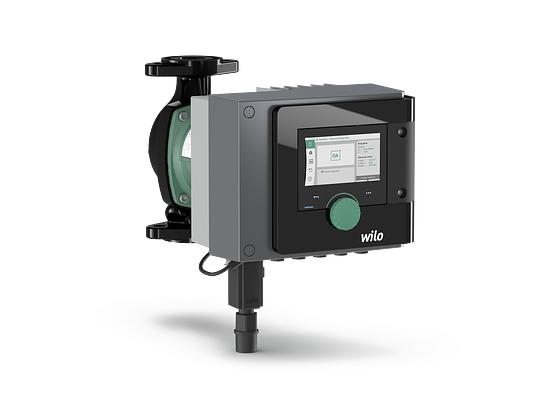
Wilo-Stratos MAXO
-
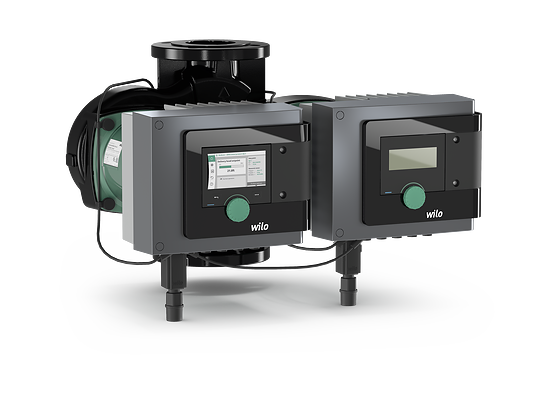
Wilo-Stratos MAXO-D
-
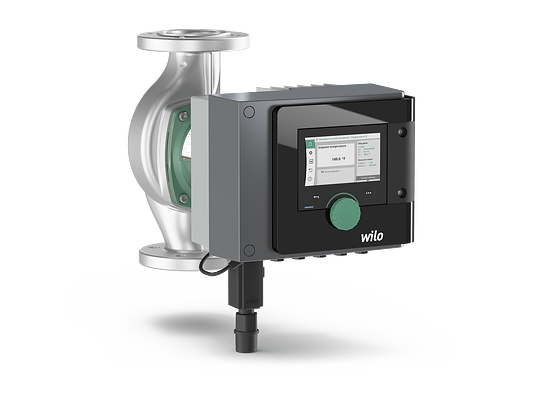
Wilo-Stratos MAXO-Z
