


















































































Inline Pumps
When it comes to achieving energy efficiency, reliability, and compact design, inline pumps are a game-changer. Perfectly suited for a range of applications, from commercial buildings to industrial systems, these pumps deliver high performance while saving valuable space.
Contact a Local Wilo Representative-
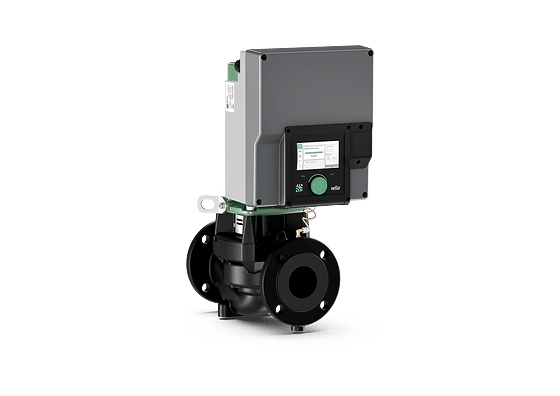
Wilo-Stratos GIGA2.0-I
-
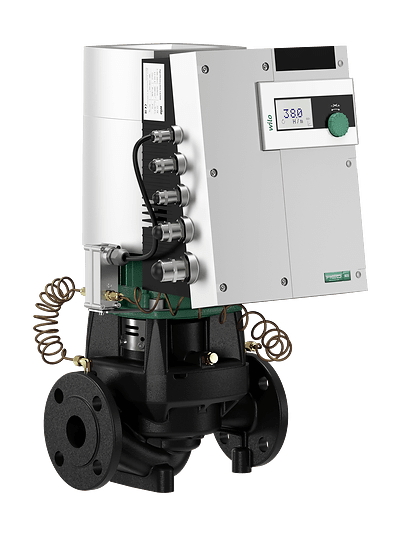
Wilo-Stratos GIGA
-
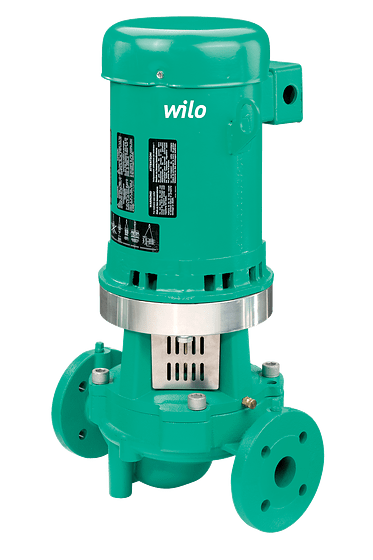
Wilo-CronoLine-IL
-
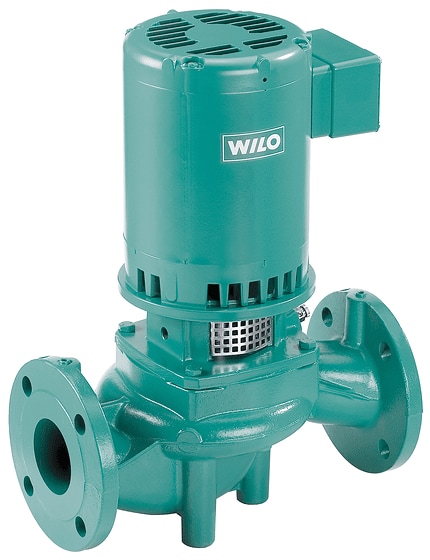
Wilo-VeroLine-IPL
Frequently Asked Questions (FAQs)
What is the difference between inline pumps and traditional centrifugal pumps?
Inline pumps are designed to align directly with the piping system, saving space and simplifying installation, while traditional centrifugal pumps often require additional floor space and mounting configurations.
How do inline centrifugal circulators improve energy efficiency?
These circulators use high-efficiency motors and optimized designs to reduce energy consumption while maintaining consistent performance.