


















































































Comparing Active and Passive Cooling Systems for Optimal Pump Performance
Overheating is a major cause of submersible pump failure, especially in demanding applications like sewage and wastewater treatment. Thermal sensors in pumps shut down the motor to prevent damage but can lead to repeated shutdown-restart cycles, straining the motor and increasing burnout risks. Robust cooling systems are essential to disperse heat, prevent breakdowns, increase efficiency, and extend the submersible pumps lifespan.
Motor cooling systems in submersible pumps play a critical role in maintaining performance and longevity by preventing overheating. Pump cooling systems prevent overheating by transferring heat from the motor to outside the pump. Two primary systems are used: passive cooling and active cooling. Each has distinct features, benefits, and ideal applications.


Passive Cooling System
Passive, or sometimes called direct, cooling is a natural heat dissipation process based on the principles of the second law of thermodynamics, where heat moves from warmer to cooler areas. It relies on conduction (direct contact), convection (circulation of cooler liquid or air over a heated surface), and radiation to transfer heat away from the pump motor. It is the simplest motor cooling technology and is only suitable for wet-pit installations where the submersible pump motor is fully submerged.
This method requires minimal energy input, as it relies on the surrounding pumped liquid to absorb and dissipate heat directly from the motor casting. However, passive cooling is only effective when the pumped liquid temperature is lower than or close to the motor’s operating temperature, allowing for natural heat dissipation. Submersible pumps with passive cooling rely entirely on the surrounding liquid being pumped to regulate their motor temperature during operation.
Key Features
Submersible pumps with passive cooling systems are a simple design, with a single air-filled chamber. They do not have additional cooling components like jackets or shrouds.

- Motor casing acts as a heat transfer surface.
- Motor windings are designed to withstand high temperatures and operate reliably under submerged conditions.
- Single air-filled chamber to facilitate heat radiation from the motor to casing.
- Sealing chamber protects the motor from liquid ingress. The sealing system includes mechanical seals and O-rings to maintain watertight motor housing.
- Bearings support the shaft and ensure smooth operation. They are designed to operate effectively in submerged environments without overheating.
- Pumped fluid plays a critical role in absorbing and dispersing heat away from the motor casing.
- Cable entry system ensures a watertight seal around the electrical cables entering the motor and preventing moisture from compromising the motor’s electrical components.


Active Cooling Systems
Active cooling systems, often referred to as indirect cooling, are a heat management process designed for more demanding applications or intense operating conditions where natural heat dissipation is insufficient such as a dry well installation. This system uses a cooling jacket, or shroud, to encase the motor, creating a controlled environment for efficient heat transfer. Within this jacket, the pumped liquid or a separate coolant circulates around the motor, absorbing excess heat and dissipating it away from the motor casing.
Unlike passive cooling, which relies on the surrounding liquid for heat dissipation, active cooling systems use deliberate circulation of liquid around the motor to ensure consistent temperature control. This makes active cooling suitable for dry-pit installations, fluctuating liquid levels, or environments where the ambient temperature exceeds the motor’s operating limits. By actively dissipating heat, these systems maintain the motor’s efficiency and reliability, even under challenging conditions.
Open-Loop versus Closed-Loop Systems
Active cooling systems are categorized into two types: open-loop and closed-loop systems.
- Open-Loop Systems: Cooling fluid is drawn directly from an external source, such as the pumped liquid or another supply. It is circulated within the cooling system, absorbing heat from the motor. The heated fluid is then discharged back into the environment or recirculated within the process.
- Closed-Loop Systems: Cooling fluid circulates within a sealed system. Heat is transferred to the fluid, which is then cooled through a heat exchanger before being recirculated back into the motor cooling system.
Choosing between open-loop and closed-loop systems for an active cooling system depends on factors such as environmental requirements, cooling needs, and operational constraints. Further discussion in this factsheet will focus on closed-loop cooling systems.

Key Features
Submersible pumps equipped with an active cooling system utilize a cooling jacket, or shroud, to transfer heat away from the motor. In a closed-loop system, cooling fluid such as oil or glycol mix circulates around the motor stator housing. This fluid absorbs excess heat from the motor through convection, ensuring efficient cooling even in low-liquid conditions levels or dry environments, such as a dry-pit installation where the motor operates without submersion.

Oil-Cooled Motors
Cooling Medium:
- Utilizes a specialized cooling oil with high thermal conductivity and stabilit
- Oil serves as both a heat transfer agent and a lubricant for internal components.
Sealed System:
- Operates within a closed-loop system, preventing contamination of the oil.
- Ensures consistent and efficient cooling performance.
Heat Dissipation:
- Oil absorbs heat from the motor and circulates it to a cooler or heat exchanger for dissipation.
- Ideal for applications with limited ventilation or high ambient temperatures.
Oil-cooled motors are equipped with a cooling system that uses white oil as the coolant to effectively dissipate heat generated during operation. The oil circulates within a sealed cooling system, serving a dual purpose: it lubricates internal components while also acting as a heat transfer medium. By absorbing heat from critical motor parts, such as the stator and rotor, the oil transfers the excess heat to a cooling surface, or heat exchanger, for dissipation. This process dissipates approximately 90% of the motor’s heat, ensuring efficient temperature regulation. With higher horsepower ratings than air-filled motors, oil-cooled systems are ideal for heavy-duty applications or environments where traditional passive- or water-cooling methods are impractical or inadequate.

Glycol Mix-Cooled Motors
Cooling Medium:
- Glycol mix-based coolants fill the internal space of the motor, absorbing heat from critical components such as the stator, rotor, and other parts.
- The coolant also serves as a lubricant for bearings and other moving components.
Sealed System:
- Operates within a closed system to prevent contamination and maintain coolant integrity.
- Ensures reliability in harsh or submerged environments.
Heat Dissipation:
- Heat is absorbed by the coolant and transferred to the surrounding environment or an internal heat exchanger.
- Supports both passive and active cooling configurations.
A glycol mix-cooled motor utilizes a water-glycol solution coolant (30 to 50% glycol mixed with water) within the motor housing as its primary cooling and lubricating medium. With water’s high heat capacity, it efficiently absorbs and dissipates heat generated during operation, ensuring effective temperature regulation. Heat is transferred from the motor components to the coolant, which then releases it into the surrounding environment or through a heat exchanger.
This design is versatile and can be used in dry-well and wet-well installations, making it suitable for various applications. Glycol mix-filled motors are commonly used in submerged or demanding environments where efficient heat management is critical. Additionally, these motors often use non-toxic, biodegradable water-based solutions to minimize environmental impacts.
Summary
Passive and active cooling systems serve distinct roles in managing motor temperatures. Passive cooling relies on natural heat transfer processes—conduction, convection, and radiation—to dissipate heat through the surrounding liquid without the need for additional energy. It is simple, cost-effective, and ideal for motors fully submerged in stable environments. In contrast, active cooling systems use mechanical means like pumps or fans to circulate coolant around the motor, providing precise and consistent temperature control even in dry or demanding conditions. While active cooling offers superior performance and flexibility, it involves more complex components and higher energy use. Choosing between the two depends on the application’s cooling needs, environment, and operational demands.

Wilo is Your Solutions Provider
Wilo is a leader in innovative and sustainable water management solutions, offering a comprehensive portfolio of products and services tailored to meet the challenges of modern water infrastructure. From efficient water-cooled motors to advanced pumping systems, Wilo provides reliable and eco-friendly solutions for a wide range of applications, including wastewater management, irrigation, and flood control. With a focus on high-quality engineering and a commitment to environmental stewardship, Wilo empowers its customers to address water management needs effectively and sustainably.
Featured Products
-
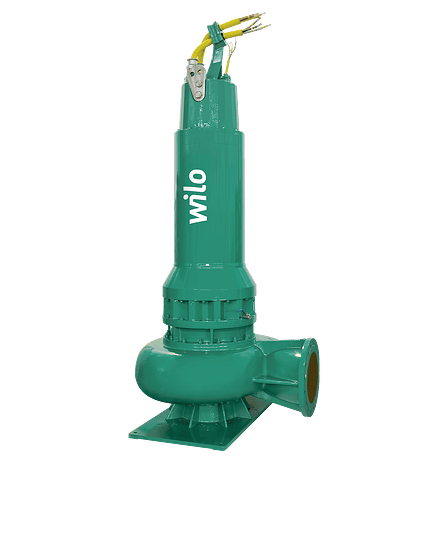
Wilo-FA
-

Wilo-Rexa SUPRA
-
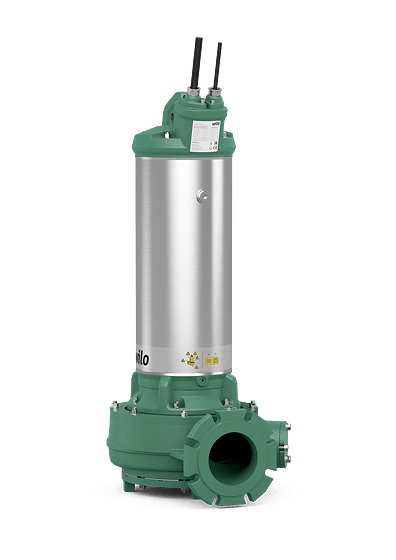
Wilo-Rexa SOLID

