



















































































Drinking water hygiene in buildings and systems
Clean drinking water from the tap is something most people take for granted. But what happens when water stands in the pipes for long periods or its temperature deviates from the desired range? Especially in buildings with fluctuating usage — such as due to remote work, seasonal occupancy, or vacancies — the hygienic conditions within the drinking water system can change. Reliable drinking water hygiene is essential to preserving water quality in the long term. Stagnation and unfavourable temperatures can promote the growth of microorganisms such as Legionella, often unnoticed at first.
To ensure that drinking water quality is maintained all the way to the point of use, design, system technology, and operation must work together seamlessly. A system designed to match demand, reliable water circulation, and the monitoring of key operating parameters all help support hygienic and economical operation.
Legionella – a risk to the entire drinking water system
Legionella are one of the best-known microbiological risks in drinking water installations. They can multiply particularly readily at temperatures between around 25 °C and 55 °C. Prolonged periods of stagnation and biofilms can further increase the risk of microbiological contamination.
If water droplets containing Legionella bacteria are inhaled — for example, while showering — they can pose a health risk.
However, Legionella is not solely a problem with hot water. Cold drinking water can also pose a hygiene risk if it warms up unexpectedly.
Therefore, appropriate temperatures, thermal disinfection, and preventing stagnation through circulation are crucial for health.

Domestic hot water: temperature maintenance through circulation and thermal disinfection
In a domestic hot water system, Legionella bacteria can multiply particularly in areas where water stagnates for long periods or where temperatures fall within a hygienically critical range. Therefore, one of the key conditions for hygienic operation is the consistent maintenance of the required temperatures throughout the entire domestic hot water system.
Hot water circulation plays a key role here: The circulation pump keeps the heated drinking water moving continuously and helps maintain a temperature of over 55 °C in the circulation system, even in areas farther away from the heat generator. Wilo pumps can be set to a defined target temperature, helping to keep the circulation system reliably within the required temperature range.
The key factor is the interaction between the heat generator, the circulation pump, and a hydraulically balanced pipework. In particular, long pipe runs and rarely used outlets must be considered both in system design and in operation in order to avoid, as much as possible, areas with inadequate temperature maintenance or longer stagnation periods.
In addition to maintaining a constant temperature, thermal disinfection can be carried out in certain situations, such as when Legionella contamination is present. In this process, the domestic hot water is temporarily heated to a sufficiently high temperature to kill Legionella through heat exposure. The circulation pump helps distribute the heated water throughout the system. Thermal disinfection is not part of normal operation, but rather an additional, optional measure to be used in exceptional cases.

Drinking water: ensuring circulation and water exchange
Cold drinking water can also become hygienically critical. For example, if the water heats up due to heat build-up, adjacent hot water pipes, or long standing times, this can promote the growth of microorganisms.
The focus is therefore on maintaining a temperature below 25 °C in the drinking water system at all times. A cold water circulation system helps maintain this temperature by continuously circulating the water through a dedicated circulation system. To ensure the required temperature is maintained at all times, additional cooling of the drinking water can supplement circulation. Continuous temperature monitoring helps identify temperature deviations early.
Alternatively, or in addition, a controlled water exchange can help lower the average temperature of drinking water again. Flushing procedures are intended, in particular, to maintain operation as intended, even at rarely used outlets. As a rule, water should be exchanged after no more than three days without use.
However, the goal of cold-water circulation is to minimise the amount of water exchange and, consequently, the number of flushing cycles. If circulation — and, if necessary, additional cooling — maintain appropriate temperatures in the system, the need for flushing triggered by temperature deviations can be significantly reduced.
Especially in buildings such as hotels,hospitals, or arenas — where usage patterns vary or there are extended periods of inactivity — it is important to regularly monitor temperatures and operating conditions and to adjust circulation, cooling, and any necessary flushing procedures to suit the specific installation and its use.

Maintaining drinking water hygiene means looking at the system as a whole: While maintaining temperature and ensuring hydraulically balanced circulation are the main priorities for domestic hot water, the primary focus for cold drinking water is on preventing unwanted heating and ensuring appropriate water exchange that meets demand.
Common risks to drinking water hygiene
Hygiene problems in drinking water systems often have multiple causes that often arise from several factors that can amplify each other. Changes in usage patterns, long pipe runs, unfavourable temperatures, or sections of pipework with inadequate flow can lead to conditions that are conducive to microbial growth.
The most common causes include:
- Stagnation: Water remains in pipes or at points of use for an extended period of time.
- Temperature fluctuations: Cold water that has become unduly warm or hot water that has cooled too much can promote the growth of microorganisms.
- Dead legs: Pipe sections with insufficient flow prevent regular water exchange.
- Oversized installations: Pipe diameters and system volumes that are too large can increase the water’s residence time.
- Lack of maintenance or failure to adapt to usage: Renovations, periods of vacancy, or changes in occupancy can result in the drinking water system no longer matched to current usage.
Design your drinking water installation with Wilo
Are you planning to install a drinking water system or looking to upgrade an existing one? Our experts will help you choose the right solutions for your application.
Contact usOur solutions for drinking water installations
Drinking water hygiene depends on the right conditions throughout the installation. In domestic hot water systems, reliable thermal disinfection and water circulation are essential. In drinking water systems, regular water exchange plays a key role. Monitoring relevant operating parameters also helps to detect deviations at an early stage and assess operating conditions more accurately.
Professional design, regular maintenance and demand-led modernisation complement these technical measures and support hygienic operation of the drinking water installation.

Domestic hot water
Reliable domestic hot water circulation helps maintain the required temperature throughout the installation while reducing the risk of stagnation. At the same time, it improves the availability of hot water at the outlets. Suitable circulation pumps and hydraulically balanced pipework provide the basis for hygienic, reliable and economical operation.

Drinking water
Cold drinking water can also become hygienically critical when temperatures rise or water remains stagnant for too long. Temperature monitoring, regular water exchange and targeted flushing help to detect deviations early and support hygienic operating conditions.

Digital solutions
Monitoring and AI integration improve visibility of temperatures, operating conditions and potential irregularities within the system. Digital tools help operators detect deviations early, plan maintenance more effectively and document system operation transparently and in a traceable manner.

Services
From product selection and design to condition assessments and technical services, Wilo supports consultants, specialist contractors and operators at every stage of the system lifecycle.
Drinking water installations: from design to operation
Whether in a new build or an existing drinking water installation, the foundation for hygienic operation is laid at the design stage. However, requirements can change over time, for example due to modernisation, periods of vacancy or changes in building use. That is why it is important not only to design drinking water installations correctly, but also to review operating conditions regularly and adapt them where necessary.
The right basis: regulations and responsibilities
Drinking water installations must be designed, installed and operated in a way that maintains the hygienic quality of the drinking water. This is governed by the relevant legal requirements and technical standards.
Alongside compliance with the applicable requirements, effective coordination between all parties involved is essential. Design, installation, commissioning and operation need to be well coordinated. The specific requirements and operator responsibilities depend on the type of installation and the applicable legal and technical standards.
Targeted modernisation of existing drinking water installations
Many drinking water installations were designed for different usage conditions from those seen today. Home working, changes in occupancy, refurbishment or periods of vacancy can mean that systems are no longer aligned with actual demand. This can lead to hygiene risks, reduced comfort and unnecessarily high energy consumption.
A review of the existing installation helps identify its condition and any potential weak points. This may include aspects such as pipe routing, thermal disinfection and water circulation, pump technology and temperature control. On this basis, suitable measures can be identified, ranging from the optimisation of individual components to the phased modernisation of the entire drinking water installation.
| Initial situation | Possible measures |
|---|---|
| Temperature deviations | Review temperature maintenance and control |
| Low usage or vacancy | Review water exchange and flushing measures |
| Outdated pump technology | Pump replacement and hydraulic optimisation |
| Limited visibility of operating conditions | Introduce monitoring and digital solutions |
Drinking water hygiene by building type
Drinking water hygiene requirements vary from one building type to another. The way a building is used, its pipework layout, water demand and operating conditions all affect the risk of stagnation, temperature deviations and microbiological contamination. As a result, the requirements for system design and operation will also differ.

Hospitals and long-term care facilities
In hospitals and long-term care facilities, drinking water hygiene is especially important. Proper design, documented maintenance procedures and continuous monitoring of relevant operating parameters help support hygienic operating conditions.

Hotels
No two days are much the same: fluctuating occupancy, seasonal demand and a large number of outlets create changing usage across the building. Circulation systems, temperature control and digital monitoring help to identify critical operating conditions early and respond appropriately.

Stadiums and arenas
From near-complete inactivity to peak demand within just a few hours, drinking water installations in stadiums and arenas need to perform reliably under very different operating conditions. Automated flushing, demand-led circulation and monitoring can help support hygienic operation, even where usage varies significantly.

Residential buildings
Hygienic risks can arise from rarely used outlets, long pipe runs or oversized installations. Reliable hot water circulation and regular water exchange help support water quality over time.

Office buildings
Home working and flexible workplace models are changing patterns of water use. Operating strategies aligned with actual usage help to reduce stagnation and support water quality, even where demand varies.

Airports and industrial buildings
Complex pipework networks, different usage zones and varying operating conditions call for careful design and clear visibility of system operation. Digital solutions help support continuous monitoring of temperatures and operating conditions.
Services for reliable system operation and drinking water quality
Even after commissioning, regular review of the drinking water installation remains important. Maintenance, functional checks and adjustments to changing operating conditions help support hygienic operation over time.
From product selection and commissioning through to maintenance and the modernisation of existing systems — Wilo supports consultants, specialist contractors and operators with technical services, spare parts supply and digital solutions.
Products for hygienic drinking water installations
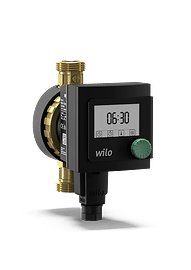
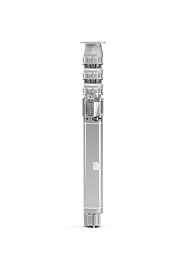
Hygienic drinking water installations require solutions that support design, operation and modernisation alike. Wilo offers a coordinated product range designed to support temperature control, water exchange and reliable operation in line with system requirements.

FAQs – Frequently Asked Questions about drinking water hygiene in buildings and installations
What is drinking water hygiene?
What role does water treatment play in drinking water hygiene?
Water treatment ensures that drinking water is fed into the supply network at a high quality. To maintain this quality up to the point of use, a hygienic drinking water installation within the building, operation as intended, and appropriate measures for temperature control and water exchange are all essential.
What contributes to hygienic operation?
For hygienic operation of a drinking water installation, appropriate temperatures and regular water circulation or water exchange are particularly important. Both domestic hot water and cold drinking water should be taken into account.
Key measures include:
- maintaining appropriate temperature ranges for domestic hot water and cold drinking water,
- promoting regular water exchange and avoiding prolonged stagnation,
- adapting circulation and flushing concepts to the specific usage,
- monitoring relevant operating parameters in order to identify deviations at an early stage.
What does stagnation mean in a drinking water installation?
Why are dead legs a problem, and how can they be avoided?
Dead legs are sections of pipework with little or no flow. Water may remain there for long periods without being exchanged, which can create hygienically critical conditions. They can be avoided through hygienic design, short pipe runs and the removal of unused pipe sections. In existing buildings, the pipe routing should be reviewed.
How often should a drinking water pipe be flushed?
This depends on the type of building, how it is used and the applicable regulations. As a general rule, stagnation should be avoided. Flushing concepts can be useful for pipework that is rarely used. The appropriate intervals should be defined by a qualified professional.
A correctly designed circulation system reduces stagnation and helps maintain stable temperatures. An incorrectly adjusted circulation system, by contrast, can lead to temperature losses and hygienic risks.
What standards apply to drinking water hygiene?
Various legal requirements and technical standards apply to the design, installation and operation of drinking water installations. At European level, DIN EN 806 provides the basis for the design and operation of drinking water installations. The specific requirements in each case depend on the type of building, its use and the design of the installation.
What are the operator's obligations?
When should a drinking water installation be modernised?
Modernisation is advisable if temperature problems, stagnation, outdated pump technology, long waiting times or hygienic issues occur. Changes in usage can also be a reason to carry out an assessment.
A review of the existing installation, removal of dead legs, optimisation of circulation, pump replacement, hydronic balancing and digital monitoring can all provide clear benefits.
Let’s find the right solution together
Every drinking water installation has its own requirements in terms of design, operation and modernisation. Wilo supports you with suitable products, digital solutions and technical services to help create the conditions for hygienic operation of your installation.
Contact us